

The virus, which can cause fever, headache, muscle pain and fatigue, has recently been detected in the area between Willebroek and Mechelen. Although the risk to the population is considered low, the authorities recommend additional caution against mosquito bites. 80% of infected people have no symptoms, but for about 1% the disease can be serious.
(Staff: Belgium / Health & Environment)
The West Nile virus, known for its transmission through the mosquito bite, has been detected in the Willebroek-Mechelen, in Flanders. The announcement was made after tests carried out on birds and a horse in the area confirmed the presence of the virus.
What is West Nile virus?
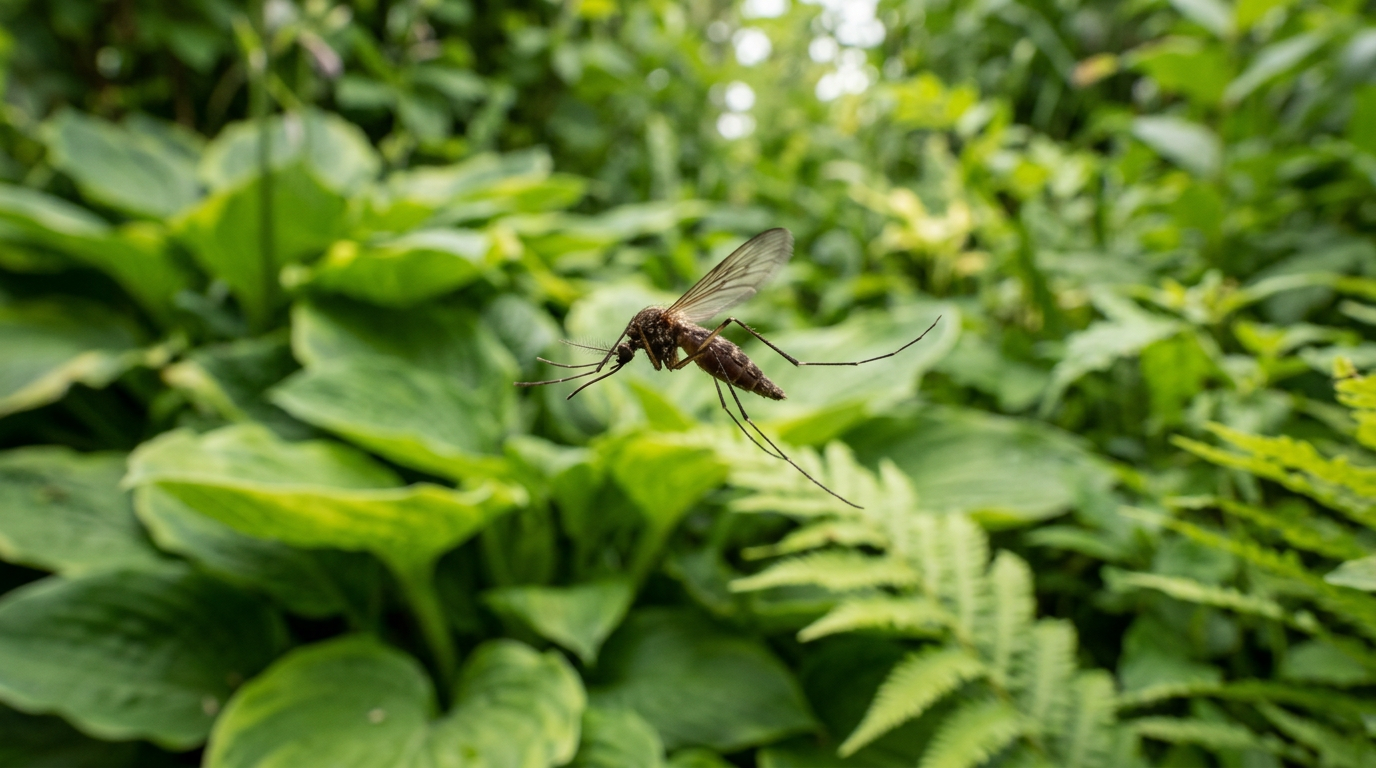
West Nile virus is a viral disease that naturally circulates between birds and is transmitted by mosquitoes, especially by the common mosquito species (Culex pipiens). Humans and horses can be infected occasionally, through the stings of a mosquito that has previously stung an infected bird.
The virus is not transmitted directly from human to human, from horse to human or from bird to human.
Symptoms and risks
The Department of Health in Flanders points out that the majority of infected people (about 80%) show no symptoms. Those who develop symptoms may have fever, headache, muscle pain, fatigue or, occasionally, rashes.
In rare cases (about 1% of cases), the disease can be serious, leading to inflammation of the brain or membranes that envelop it (meningitis). Older people and those with a weakened immune system are most at risk of developing severe forms.
To date, no confirmed cases have been reported in humans in this region.
The reaction of the authorities
Doctors in the Willebroek-Mechelen region were informed about the presence of the virus to pay attention to the symptoms that could suggest an infection. The local authorities also issued recommendations for the population.
How can we protect ourselves?
The Department of Health recommends simple measures to reduce the risk of mosquito bites:
- Wear long-sleeved clothes and long pants, especially during the evening and night, when mosquitoes are most active.
- Use repellents Against mosquitoes (for example, based on DEET).
- Install mosquito nets at windows and doors.
- Sleep under a mosquito net if necessary.
- a fan It can help keep mosquitoes away.
Currently, there is no specific vaccine or treatment against the West Nile virus.
Conclusion
Although the presence of West Nile virus in the Willebroek-Mechelen region is a precautionary cause, the authorities point out that the risk to the population is low. Simple mosquito bite protection measures are sufficient to significantly reduce the risk of infection.





Leave a Reply